



What kinds of work injuries come out of Los Angeles jobs?
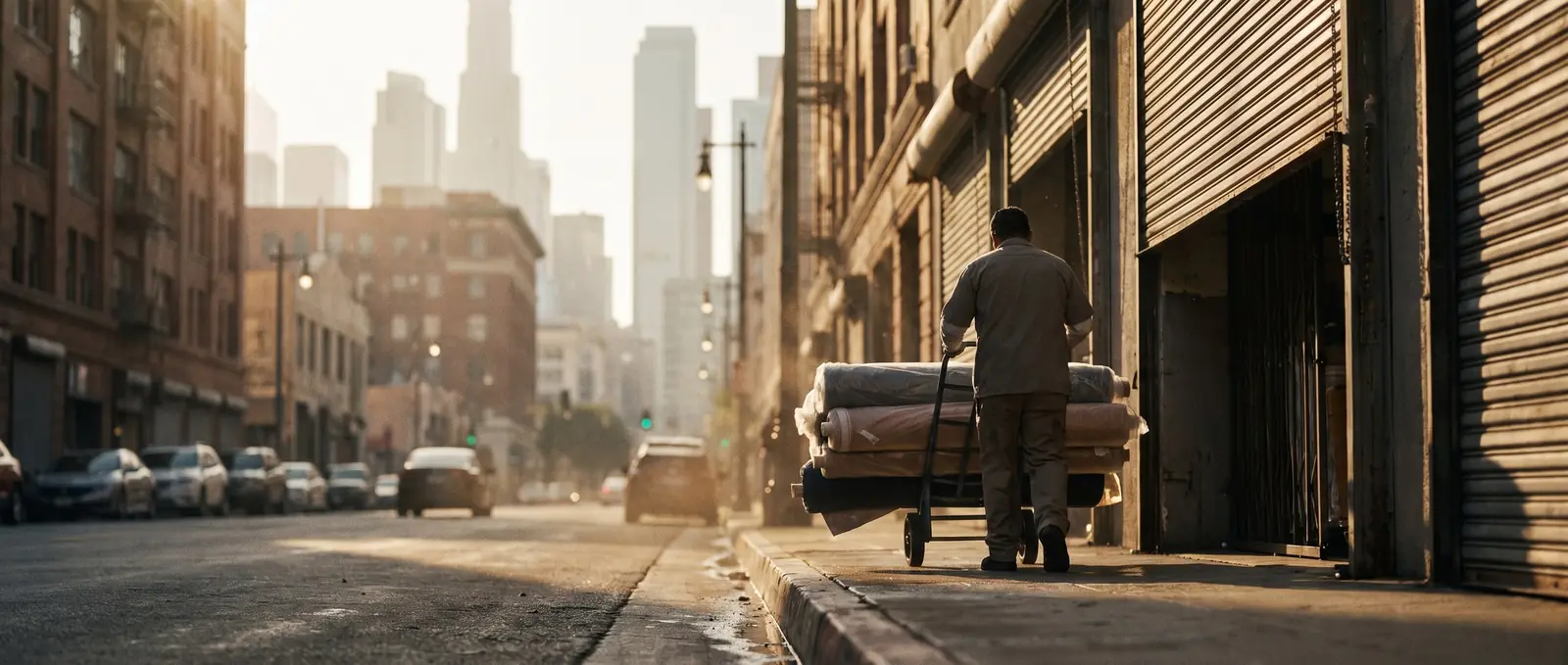
Los Angeles work injuries follow the city’s industries, and a workers’ comp lawyer in Los Angeles sees the same patterns again and again. Repetitive strain dominates in garment work. Lifting injuries fill the claims from warehouses and hotels, and patient-handling injuries come out of hospitals. Meanwhile, construction sites and sound stages produce falls and crush injuries.
- Garment and textile work Sewing operators and cutters in the Fashion District and the shops south of downtown develop wrist, elbow, neck and shoulder conditions from years of the same motion. These are cumulative-trauma claims, and they count just as a single accident does.
- Warehouses and food processing The industrial blocks around the Los Angeles River and south of downtown handle heavy loads, forklifts and cold rooms. Back injuries, hernias and crushed hands are common.
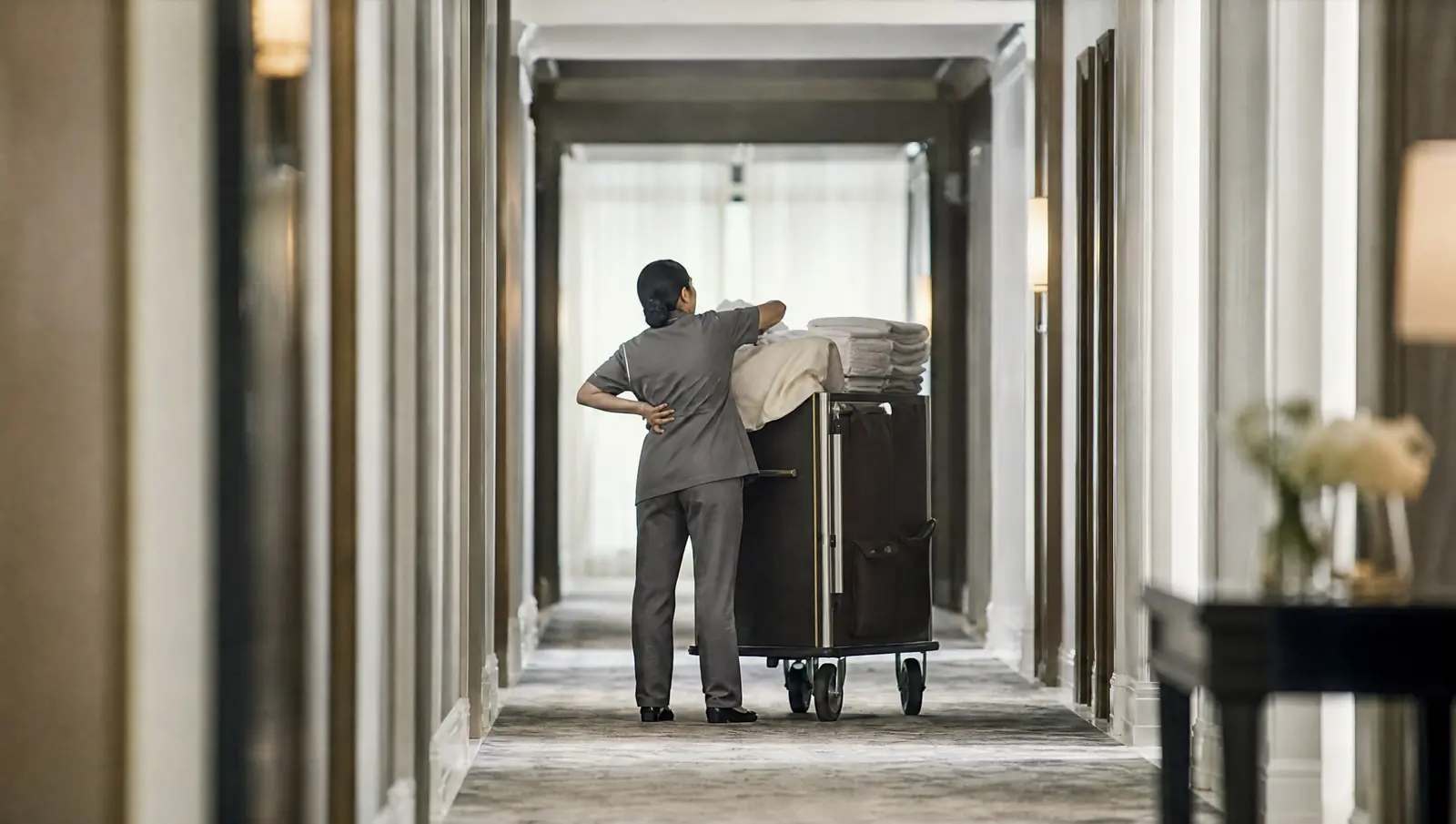
- Hotels and restaurants Housekeepers lift mattresses and push loaded carts all shift; kitchen staff face burns, cuts and wet floors.
- Hospitals and care work Nurses, aides and orderlies move patients by hand, and caregivers in private homes do the same without lifting equipment.
- Entertainment and construction Hollywood stage crews and downtown construction trades work at height, with rigging and heavy equipment.
Heat adds to many of these jobs. Cal/OSHA’s indoor heat standard applies to workrooms, kitchens and warehouses that get too hot. Heat illness on the job is also a compensable injury like any other.
Whichever industry you work in, the benefits come from one statewide system. Our workers’ compensation practice page lays out medical care, temporary disability and permanent disability in plain terms.
Where is a Los Angeles workers’ comp case heard?
Contested claims go to a district office of the Workers’ Compensation Appeals Board. For many people who live or work in central Los Angeles, that is the Los Angeles district office in the Ronald Reagan State Building downtown. Labor Code § 5501.5 ties the choice to where you live, where the injury happened, or where your employer has its principal place of business.
Take a worker who lives in Boyle Heights and suffered an injury at a downtown hotel. That case will usually end up downtown. On the other hand, someone who lives outside the central city, or whose employer has its headquarters elsewhere, may land at a different district office in the county. The Division of Workers’ Compensation publishes its district office locations. Before filing the Application for Adjudication, your attorney confirms the venue.
Most of what happens at the district office is short. There are status conferences, mandatory settlement conferences, and hearings on a specific dispute such as a denied treatment request. A trial happens only when the parties cannot resolve the case. In that event, the judge decides it on the medical reports and testimony.
Does immigration status affect a workers’ comp claim in Los Angeles?
No. California’s workers’ compensation benefits reach every employee regardless of immigration status. Labor Code § 1171.5 confirms that state labor protections apply to all workers. The claim form does not ask about status either.
A large part of the city’s garment, cleaning, kitchen and construction workforce is foreign-born. So this is often the first worry people raise, and it often keeps them from reporting an injury at all. Undocumented workers comp claims in California follow the same rules as any other, and delay costs more than status does. The firm also practices immigration law. A separate status question can therefore go to the Los Angeles immigration side of the same office.
What should a Los Angeles worker do in the first days after an injury?
Tell a supervisor, in writing if you can, and ask for the DWC-1 claim form. Labor Code § 5400 gives you thirty days to report the injury. In turn, § 5401 requires the employer to hand you the form within one working day of learning about it.
- Report it A text or email to a manager creates a dated record, which matters in shops where reports tend to go unrecorded.
- File the DWC-1 Return the completed form to your employer and keep a copy. The filing a claim page walks through each box.
- Get treatment Your employer must authorize treatment within one working day of receiving the form, up to a limit, while the claim is under review.
- Watch for a decision The claims administrator generally has up to ninety days to accept or deny. A denial is not the end, and the denied claims page explains what follows.
Sometimes the medical side becomes disputed. Then the case moves to a Qualified Medical Evaluator, and the QME process page explains how the parties pick an evaluator. A Los Angeles work injury claim often turns on that single report, so it is worth preparing for.
When can a Los Angeles worker also sue someone other than the employer?
Workers’ compensation usually bars a lawsuit against your own employer. Even so, it leaves room for claims against outside parties. In Los Angeles, those claims often come from multi-employer job sites.
A downtown high-rise can have a general contractor, a dozen subcontractors and an equipment rental company on the same floor. Likewise, a production can rent a stage from one company and lighting rigs from another. A delivery driver can also be hit on the 110 by a stranger. Each of these can support a third-party claim alongside the comp case. The firm’s Los Angeles personal injury practice handles that side. Meanwhile, your workers’ comp lawyer in Los Angeles keeps the benefit claim moving, because the comp insurer may later claim a share of any civil recovery.
What does a workers’ comp lawyer cost in Los Angeles?
You pay nothing up front. A workers’ compensation judge at the WCAB approves the attorney’s fee, typically around 15%. It then comes out of the award or settlement rather than out of your pocket. The fees and consultations page explains how the approval works.
Before you hire a workers’ compensation attorney in Los Angeles, it helps to talk the claim through. The first consultation is free and takes about thirty minutes, in person in Glendale, by phone or by video. You can book a time in English, Armenian, Russian or Spanish.