


Which federal offices does an immigration lawyer in Los Angeles deal with?
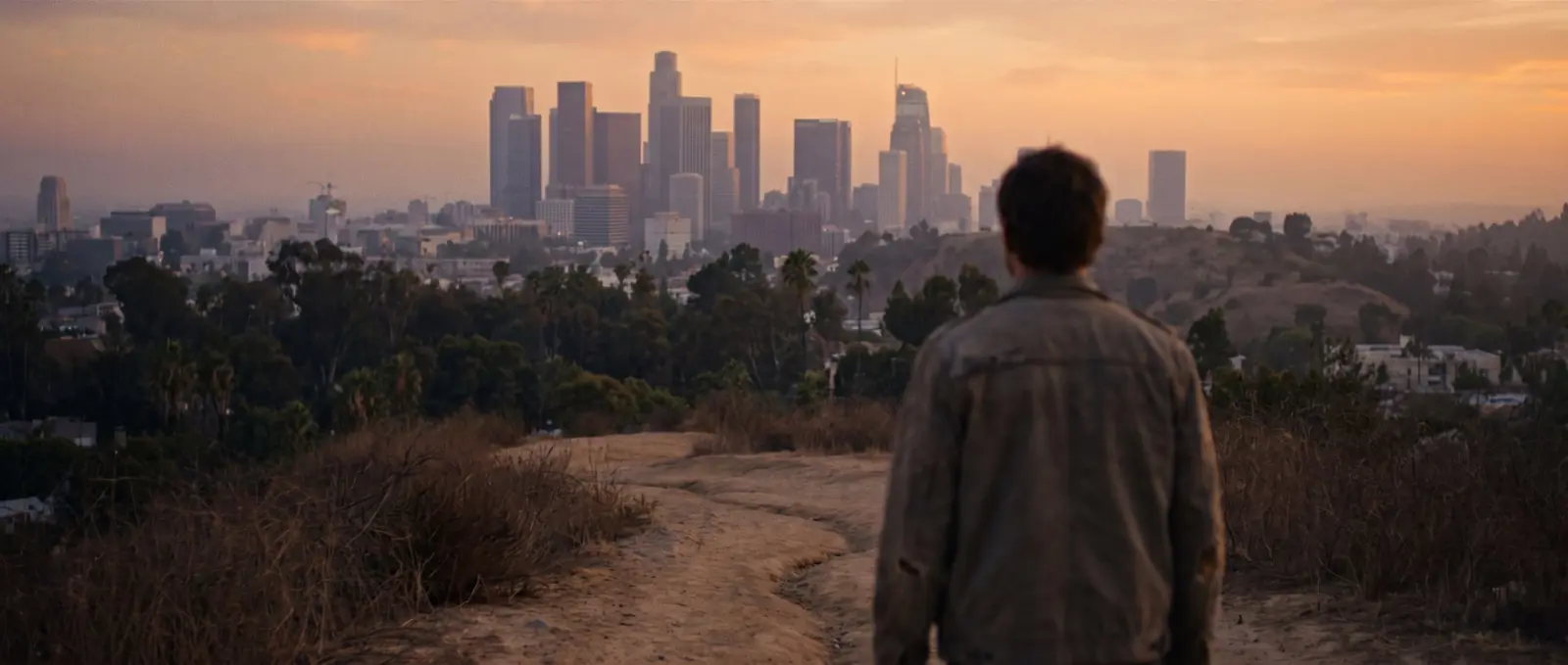
An immigration lawyer in Los Angeles works mainly with three federal bodies, and all three sit in the civic center downtown. USCIS decides applications. The immigration courts hear removal cases. Finally, the federal district court reviews disputes with the agency.
- USCIS Los Angeles Field Office Interviews applicants for green cards and citizenship. USCIS routes each case by ZIP code, and many city addresses land here, in the federal building near City Hall.
- Los Angeles immigration courts The Executive Office for Immigration Review runs several courtrooms downtown, split across more than one building. Because the hearing notice names the building, check it before each date.
- Central District of California The federal trial court in downtown Los Angeles hears mandamus lawsuits when USCIS leaves an application unresolved far beyond its usual range. Ani A. Petrosyan is admitted to practice in this court.
In addition, security screening at the federal buildings can take a while, and the civic center has little street parking. People coming from Hollywood often take the Metro B Line to Civic Center/Grand Park. From Boyle Heights, the Metro E Line runs to Little Tokyo/Arts District, a short walk away.
How do Los Angeles families bring relatives over or keep them here?
Most immigration work for Los Angeles households starts with a family petition. A citizen or permanent resident files Form I-130 for a spouse, parent, child or sibling. The next question is where the relative finishes the case: inside the United States or at a consulate abroad.
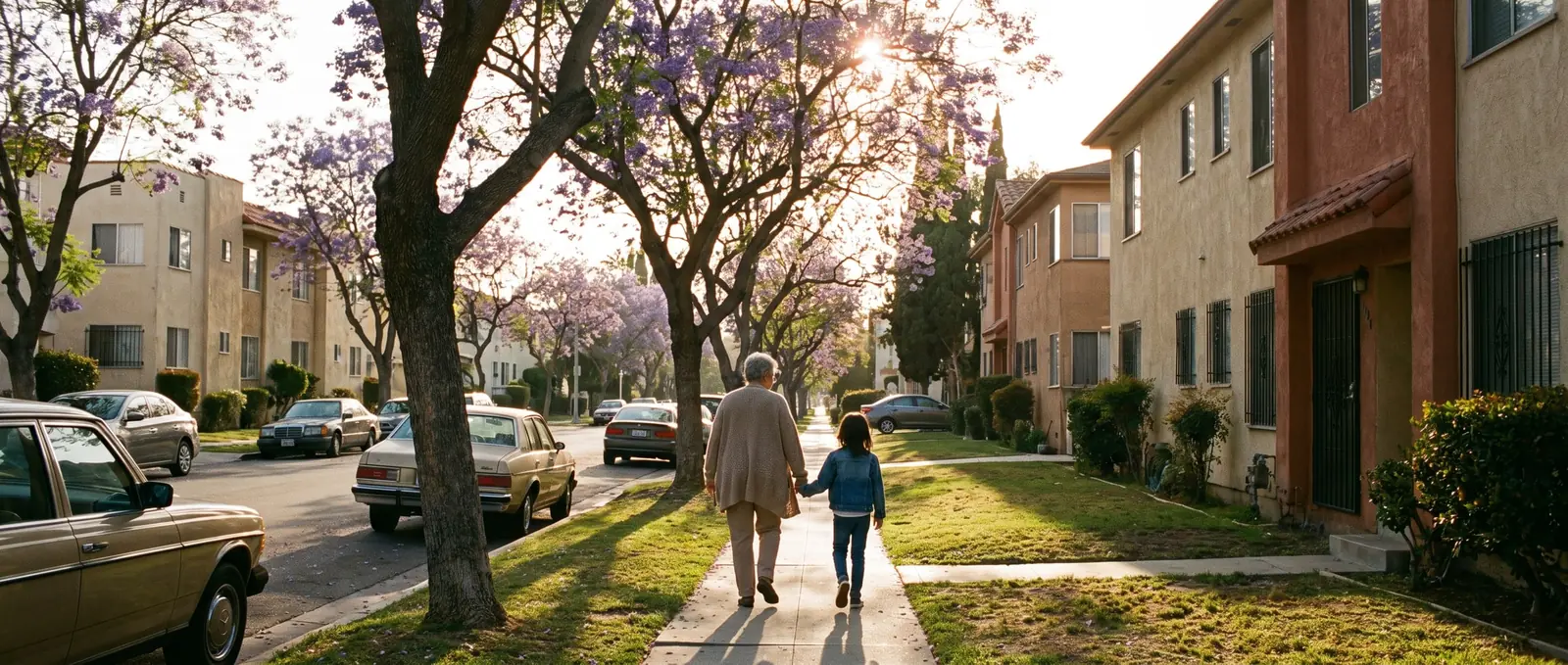
The city’s neighborhoods produce very different family histories. An East Hollywood household may be sponsoring a parent who has visited from Yerevan several times on a visitor visa. Meanwhile, a family in Boyle Heights or Highland Park may include a spouse who entered without inspection years ago.
In that second situation, the case turns on whether the spouse can adjust status here or must attend an interview in Ciudad Juárez. Often an I-601A provisional waiver has to come first. A Koreatown or Westlake family, in turn, may be combining a spouse’s green card in Los Angeles with a child’s petition. The family immigration practice explains each of those relationships.
The route matters more than the form. Adjusting status inside the country keeps the relative in Los Angeles through the process. Consular processing, by contrast, sends them abroad for the final interview. An immigration attorney in Los Angeles can tell you which route fits your family’s entries and exits before anyone files anything.
What does citizenship in Los Angeles look like, step by step?
Naturalization for a Los Angeles resident follows the national Form N-400 process, with a local interview and a local oath. Of course, the steps are the same everywhere. What is local is the places and the resources.
- Prepare with the library Los Angeles Public Library branches run New Americans Centers, where you can borrow civics and English study material at no cost.
- File the N-400 The application for naturalization reviews five years of addresses, trips and history, or three years for many spouses of citizens. Our naturalization eligibility guide covers who qualifies.
- Attend the interview The field office your ZIP code points to gives the English and civics tests and reviews the application with you.
- Take the oath USCIS sets the ceremony. Large Los Angeles ceremonies have often filled the Convention Center downtown.
Older applicants who have held a green card for many years may qualify to take the civics test in Armenian, Spanish or Russian instead of English. That exemption turns on age and years of residence. It is therefore worth checking before you start to study.
What happens at immigration court in Los Angeles after a notice arrives?
A Notice to Appear starts a case before one of the downtown immigration courts. The first hearing is usually a short master calendar hearing. First, you attend and confirm your address. Then the judge sets the next steps.
Many people in court have real options. These include asylum, cancellation of removal for long-term residents with citizen or permanent-resident family, and adjustment through a family member. Our page on each stage of removal proceedings explains the process, and the deportation defense practice covers bond and appeals.
The most important local habit is simple. Keep your address current with the court on Form EOIR-33, available from the EOIR forms library, because notices go only to the address on file.
Hearing dates in the Los Angeles courts move often. Check your case status through the EOIR online system or its automated phone line before each date, and bring every notice you have received.
How do Los Angeles clients reach the Glendale office?
The office sits on West Glenoaks Boulevard in Glendale, about twenty minutes from downtown by car. Most Los Angeles clients never need to come in more than once or twice, since phone and video meetings cover most of the work.
From downtown or Echo Park, the Glendale Freeway (SR-2) or the Golden State Freeway (I-5) runs north toward Glendale. From Hollywood and Los Feliz, Los Feliz Boulevard leads east straight into Glendale. On the Eastside, the 5 north is the usual choice. Metro buses also run from downtown into central Glendale.
Some families have more than one legal problem at once. If an accident is part of the picture, the Los Angeles personal injury page covers that line of the practice.
What does an immigration lawyer cost for a Los Angeles case?
The firm charges a flat fee for each immigration matter, agreed in writing before work begins, whether you live in Hollywood or Highland Park. USCIS and the other agencies set their filing fees, and you pay those separately, directly to the government. The fees and consultations page explains how the flat fee works.
The first consultation is free and takes about thirty minutes, in person in Glendale, by phone or by video. Book a time in English, Armenian, Russian or Spanish.