


Where do Glendale car crashes tend to happen?
Most Glendale crashes cluster around the freeway ramps and the downtown grid, where fast traffic meets dense local streets. As a result, a personal injury lawyer in Glendale sees the same handful of places come up again and again. Here they are, with what usually goes wrong at each.
- The 134 through downtown The Ventura Freeway runs through the middle of the city, with closely spaced exits at Brand, Central and Glendale Avenue. Merging and sudden braking near those ramps produce many rear-end collisions.
- The I-5 and SR-134 interchange On the city’s western edge, traffic weaves between the Golden State Freeway and the 134 beside Griffith Park. Lane-change collisions and chain reactions are common there.
- The SR-2 and the 210 The Glendale Freeway feeds into the 134 on the east side. Meanwhile, the Foothill Freeway carries commuters past Montrose and La Crescenta, and speed is the usual factor on both.
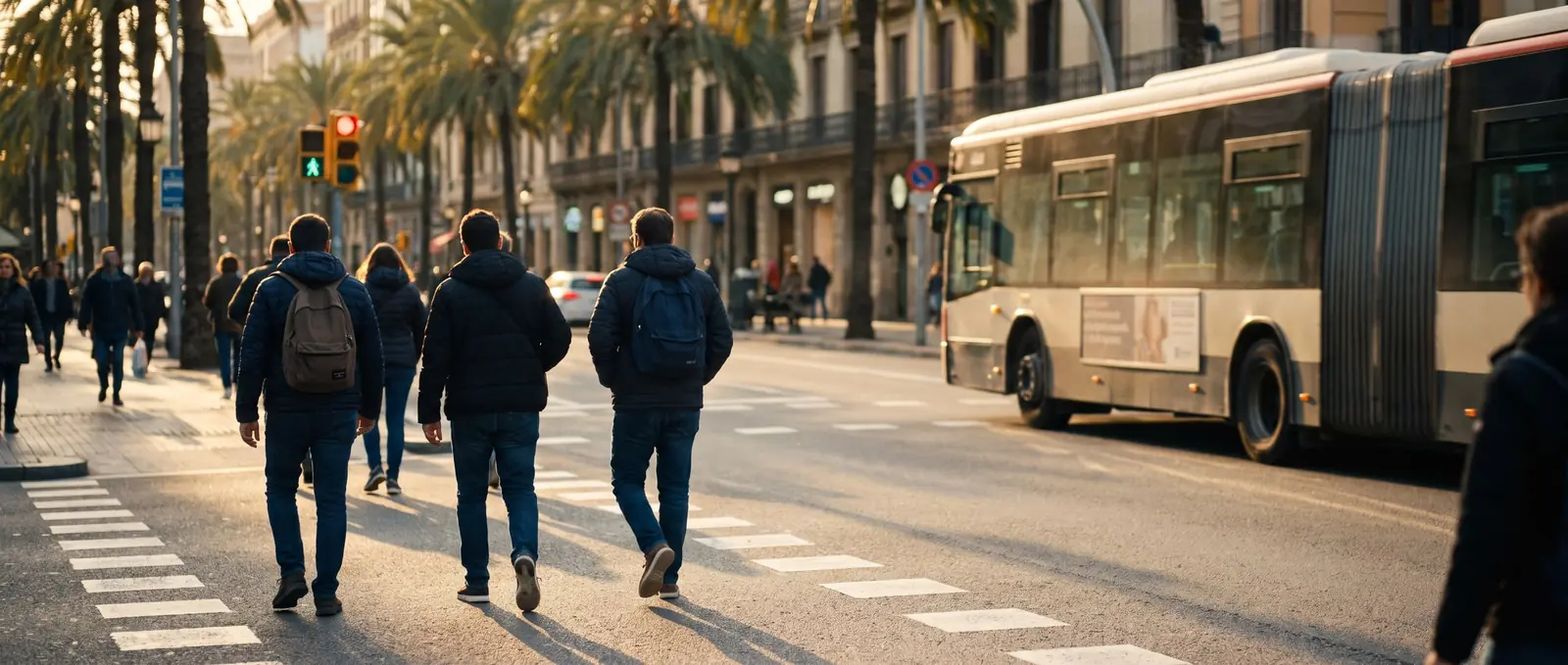
- Brand, Glenoaks, Colorado and Central These surface streets carry buses, delivery vans and ride-share pickups alongside shoppers on foot. Left turns across oncoming traffic and pedestrians in crosswalks account for a large share of claims.
Where the crash happened decides who investigates it. City streets belong to the Glendale Police Department, while the freeways belong to the California Highway Patrol. So the first practical question for any Glendale car accident lawyer is simply which agency wrote the report. The general steps after a collision, from the police report to the medical bills, are in our guide to car accident claims.
Who is responsible for a fall at a Glendale store, garage or sidewalk?
The person or business that controls the property usually carries the responsibility. In Glendale, that often means a large retail landlord, an apartment owner or the city itself. California Civil Code § 1714 makes each of them answer for failing to take reasonable care of what they control.
The shopping district around the Glendale Galleria and the Americana at Brand draws crowds every day of the week. Falls there tend to involve spilled drinks in food courts and wet entrances on rainy days. Escalators, stairwells and the ramps of multilevel parking structures add their own risks. The operator usually keeps an incident log and security video. However, the video may be overwritten within weeks unless someone asks for it in writing.
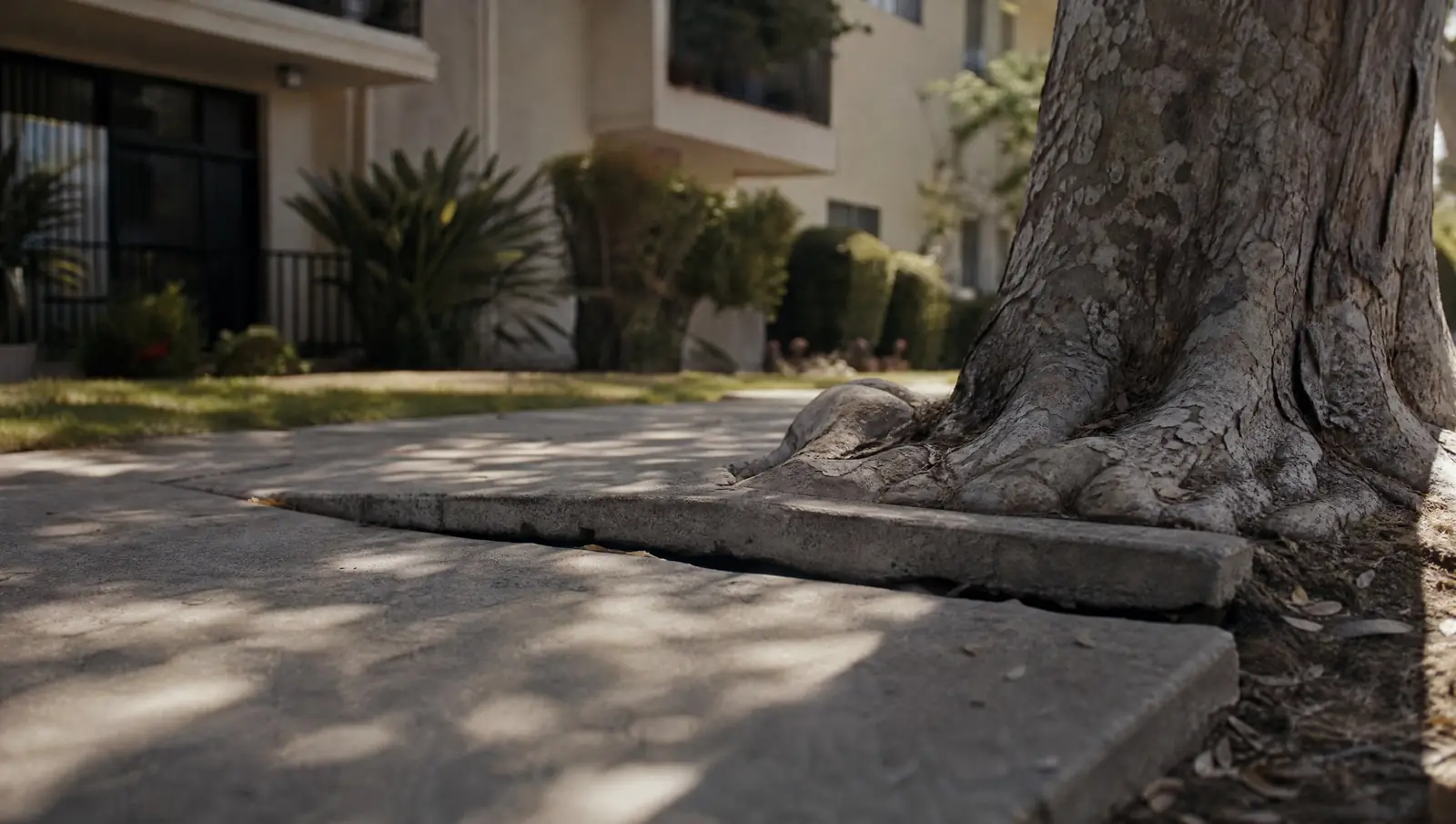
Away from downtown, many Glendale residents live in older apartment buildings with exterior staircases, loose railings and poorly lit carports. Street trees also lift sidewalk slabs across many residential blocks. A Glendale slip and fall claim therefore often turns on who knew about the hazard, and for how long. Our premises and fall injury guide explains how notice and comparative fault work.
What should a Glendale personal injury attorney do when the city or a transit agency is involved?
A claim against the City of Glendale, or any other public entity, starts with a written government claim rather than a lawsuit. Under Government Code § 911.2, the deadline is six months from the injury. That short clock catches many people, because they assume they have the ordinary two years.
Several public bodies operate in Glendale, and each receives its own claims:
- City of Glendale City streets, traffic signals, sidewalks, parks and the Beeline bus service.
- Caltrans The state highways through the city, including ramps and shoulders on the 134, the 2 and the 210.
- LA Metro Metro buses on Glendale routes and their stops.
- Glendale Unified School District School grounds, school buses and district facilities.
Sending the claim to the wrong agency does not stop the clock. For example, a crash involving a city bus on a state highway ramp may need more than one claim. The California injury deadlines page sets out the rules in full.
Which records does a personal injury lawyer in Glendale gather first?
The emergency room chart, the collision report and any video of the event usually matter most. Together, they show what happened, when, and how badly you were hurt.
Glendale has three hospitals with emergency departments: Adventist Health Glendale, Glendale Memorial Hospital and USC Verdugo Hills Hospital near the La Cañada Flintridge line. Each keeps its own records, so your lawyer requests them directly with your authorization. Follow-up care at clinics along Brand Boulevard and Central Avenue then adds to the file. Gaps in that care, by contrast, give the insurer something to argue about.
Private video is the most perishable evidence. Businesses along Brand and apartment complexes throughout the city run doorbell and security cameras that record over themselves. A written preservation letter in the first days after the injury gives you a far better chance of keeping that footage. Likewise, the adjuster’s early phone call deserves care, and our note on recorded statements to insurers explains why.
Where does a Glendale injury lawsuit go?
An injury lawsuit arising in Glendale goes to the Los Angeles County Superior Court. The court assigns the courthouse and the judge under its own rules for the type and value of the case. Consequently, a Glendale injury will not necessarily land at the Glendale Courthouse.
Most claims never get that far. The usual sequence is a demand to the insurer with the medical records and bills, then a negotiation. A lawsuit follows only if the offer does not fairly reflect the injury. Filing also protects the two-year limit under Code of Civil Procedure § 335.1 when talks run long. The settlements and verdicts page explains how insurers value a claim.
How does a Glendale injury attorney meet clients and charge fees?
The office sits at 300 W Glenoaks Blvd, Suite 301, a short walk west of Brand Boulevard, with parking at the building. If an injury makes driving hard, the Beeline and Metro buses serve downtown. Consultations also work just as well by phone or video. Maria handles personal injury intake in English, Armenian, Russian or Spanish.
The fee is 33% on contingency, taken from the recovery. There is no attorney’s fee unless there is a recovery, but you may remain responsible for case costs and expenses, and the written agreement explains how those work. The fees and consultations page has the detail. For an overview of every claim type the firm takes, see the personal injury practice page.
When you choose a personal injury lawyer, Glendale residents often ask whether a local office makes a difference. In practice, it mostly saves time: records, witnesses and the scene are all close by. You can book a free consultation of about thirty minutes. And if you were hurt at work, the Glendale workers’ compensation page covers that route instead.